Car anti-corrosion treatment is a protective coating applied to the metal parts of your vehicle, mainly the underbody, sills, wheel arches and hidden cavities, to stop rust from taking hold. The idea is simple: seal the metal off from moisture, salt and oxygen so the chemical reaction that turns steel into rust never gets started. In the UAE, where salty coastal air, sudden rain, and constant humidity in cities like Dubai and Abu Dhabi all attack exposed metal, this treatment is one of the most useful things you can do to keep a car looking new for longer.
Corrosion does not announce itself. It starts as a pinhole under a stone chip or a bubble under the paint, then spreads sideways beneath the surface until a whole panel is compromised. A proper anti-corrosion layer fills those microcracks before they can grow, which is why the treatment is preventive by nature. Waiting until you can see the rust usually means you are already paying for panel replacement instead of a coating.
The basics
Why cars rust faster in the UAE
Rust is an electrochemical reaction between iron, oxygen and water. Anything that speeds up that reaction, warm temperatures, salt, and repeated wet-dry cycles, will age a car body faster. The UAE climate delivers all three.
- Coastal humidity. Salt-laden air off the Gulf clings to underbody metal even on dry days.
- Sand and stone chips. Fine sand acts like sandpaper on the paint, exposing bare metal to moisture.
- Sudden winter rain. Water pools inside sills and door cavities that were designed to drain in cooler climates.
- Car washes and dew. Repeated wetting followed by fast evaporation concentrates minerals on the metal.
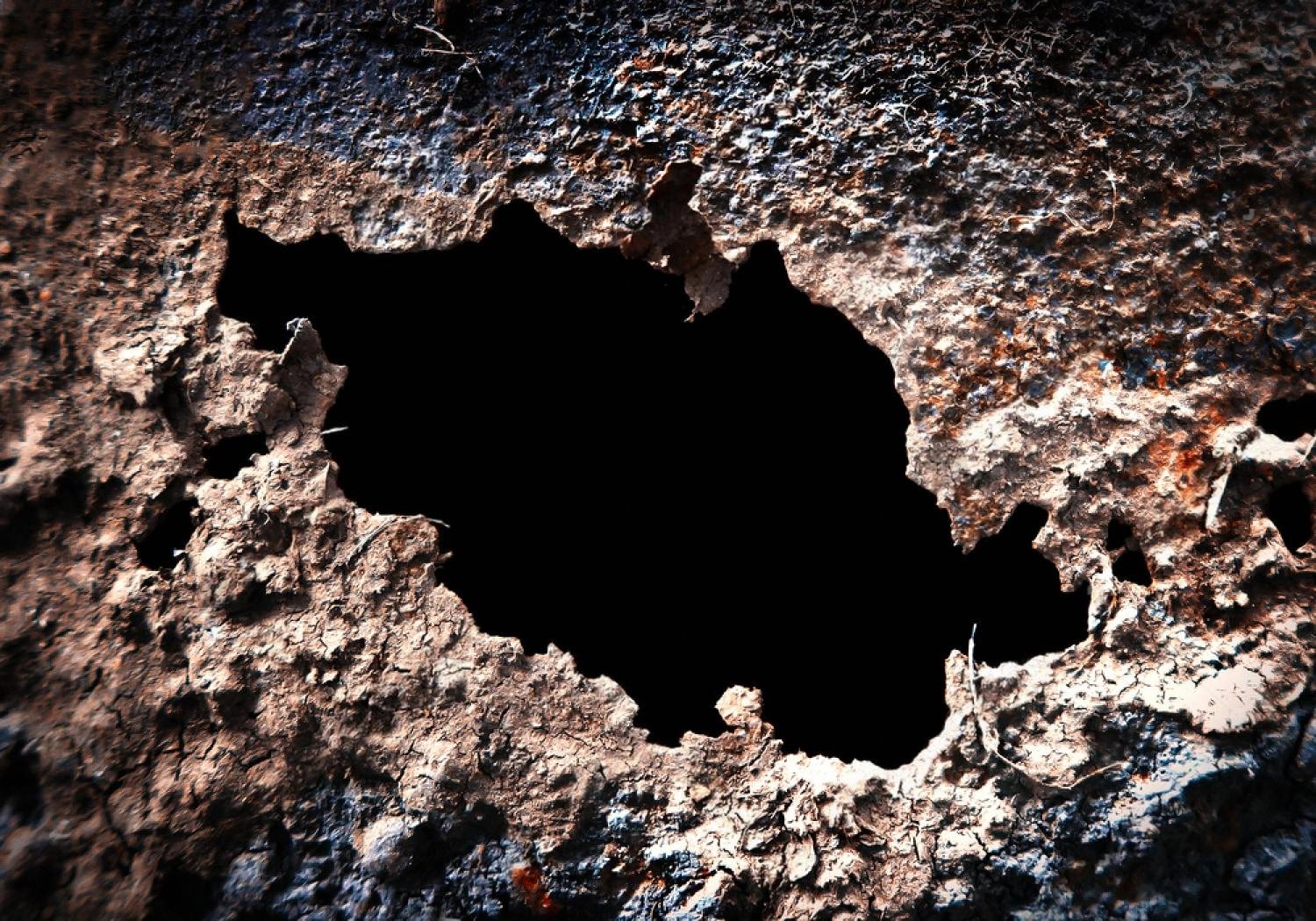
Which parts of the car need protection most
Not every square inch of a car is equally exposed. The panels you see and polish are usually the last to rust. The trouble starts underneath, where you rarely look. When you book a treatment, the technician should focus on the areas that catch the worst of the road and the weather.
- Sills (rocker panels). The horizontal beams under the doors take constant spray from the tyres and trap water inside.
- Underbody and floor pan. Sand, gravel and road water hit the underside every time you drive.
- Wheel arches. Probably the single worst spot, tyres throw water, grit and salt directly onto bare metal edges.
- Door bottoms and hidden cavities. Drain holes clog with dust, and water sits inside the door skin for days.
- Suspension mounts and welded seams. Any joint or weld is a natural starting point for corrosion.
How it works
The coatings and what they actually do
Anti-corrosion treatment is not one product. Different areas need different chemistry, and a good workshop uses two or three types on the same car. Each one is designed to reach a specific place and behave a specific way once it sets.
- Wax-based coatings stay slightly soft. They self-heal small scratches and creep into seams, which makes them ideal for hidden cavities inside doors and sills.
- Rubberised or bitumen underbody coatings cure into a tough, thick shell that resists stone chips on the floor pan and wheel arches.
- Penetrating oils and cavity waxes are sprayed as a fine mist inside closed sections so they wick into micro-cracks the eye cannot see.
- Epoxy primers are used on bare metal repairs before top coats, bonding directly to the steel.
The common thread is that all of them fill microcracks and block the path between moisture and metal. Once that path is cut, the rust reaction cannot continue.
What a proper treatment session looks like
The result you get depends heavily on preparation. A coating sprayed over dirt seals the dirt in with the metal, and rust simply continues underneath. Any workshop worth using will follow a clear sequence, and it usually pairs well with a full detailing service so the whole car is cleaned inside and out on the same visit.
- Wash and degrease. The underbody is pressure-washed and treated with a degreaser to lift oily road film.
- Dry and inspect. The car sits on a lift until fully dry, and the technician checks for existing rust spots that need mechanical treatment first.
- Mask sensitive parts. Exhaust, brakes, driveshafts and sensors are covered so coating does not land on them.
- Spray cavities. A long wand injects cavity wax inside sills, doors and box sections through existing drain holes.
- Coat the underbody. The rubberised layer is applied to the floor pan, arches and suspension mounts in even passes.
- Cure and refit. The car rests until the coating skins over, then plastic trims and liners go back on.
What it costs you to skip it
The awkward truth about corrosion is that ignoring it is always more expensive than preventing it. A treatment session is a fixed, predictable cost. Rust repair is not, because you never know how far the damage has spread until the panel comes off.
When rust reaches the point of being visible from outside, the metal underneath is usually thin enough that welding or panel replacement is the only real fix. Sills, arches and floor sections are structural, which means a rusted-through sill can also affect crash performance and resale value. Buyers and dealerships in the UAE inspect the underbody carefully, and a clean, coated undercarriage adds real money at trade-in time.
Insurance rarely covers corrosion because it is classified as wear rather than damage, so the bill lands on the owner. Compare that with the cost of a preventive coat every couple of years and the maths is straightforward.
The sequence, from bare metal to a protected car
- Understand the enemy. Salt, humidity and stone chips are what start the reaction.
- Target the right areas. Sills, underbody and wheel arches first, then cavities and seams.
- Match the coating to the job. Rubberised outside, wax inside, epoxy on repairs.
- Prepare properly. Wash, dry, mask, then spray, never the other way around.
- Refresh on schedule. Inspect yearly, top up every two to three years depending on use.
Coating types at a glance
| Coating | Best used on | Main strength | Typical service life |
|---|---|---|---|
| Cavity wax | Inside sills, doors, box sections | Creeps into seams, self-heals | 2 to 4 years |
| Rubberised underbody | Floor pan, wheel arches | Stone-chip resistance | 3 to 5 years |
| Bitumen coating | Underbody on older vehicles | Thick, waterproof shell | 3 to 5 years |
| Penetrating oil spray | Hidden crevices, welded seams | Displaces moisture | 1 to 2 years |
| Epoxy primer | Repaired bare metal spots | Direct bond to steel | Permanent under topcoat |
Ranges are typical for UAE driving conditions and vary with mileage, coastal exposure and how often the car is washed.
Frequently asked questions
How often should I apply anti-corrosion treatment in the UAE?
For most cars driven daily in the UAE, a full treatment every two to three years is a sensible interval, with an annual visual inspection in between. Cars that spend time near the coast, get washed frequently, or see a lot of sand should be checked more often because salt and grit shorten the effective life of the coating.
Is anti-corrosion treatment worth it on a new car?
Yes, and arguably it is the best time to do it. New cars leave the factory with primer and paint, but the underbody, seams and cavities are only lightly protected. Adding a proper coating before the metal has seen any real weather means you are sealing clean steel, which gives the treatment its longest possible life.
Can I do anti-corrosion treatment at home?
You can apply basic cavity wax or underbody spray from a can, and it is better than nothing on small areas. But a workshop has a lift, pressure washers, spray wands that reach inside closed sections, and the right combination of coatings for each area. For full protection, professional application on a lifted car is significantly more effective.
Will the coating damage my exhaust or brakes?
Not if the work is done properly. A trained technician masks the exhaust, brake discs, sensors and driveshafts before spraying so the coating does not land on hot or moving parts. If you notice coating in those areas after a job, that is a sign the prep work was rushed.
Does anti-corrosion treatment help with resale value?
It does, especially in the UAE second-hand market where buyers and dealers check the underbody carefully. A clean, protected undercarriage signals that the previous owner cared for the car, and it removes one of the main reasons buyers negotiate the price down. Keep the invoices from your treatments as proof.
What is the difference between rustproofing and undercoating?
Undercoating usually refers to the thick, rubberised layer sprayed on the visible underbody to resist stone chips and water. Rustproofing is broader and includes the light, creeping waxes and oils sprayed inside closed cavities like doors and sills. A complete anti-corrosion job includes both, because each one protects an area the other cannot reach.
Can existing rust be treated, or only prevented?
Small surface rust can be sanded back, treated with a converter, primed and then coated over. Anything deeper, where the metal has thinned or perforated, needs cutting out and welding before any coating goes on. Spraying over active rust just hides it for a while, and the corrosion continues underneath.

Skier, shiba-inu lover, band member, Mad Men fan and independent Art Director. Operating at the fulcrum of design and mathematics to craft experiences that go beyond design. I prefer clear logic to decoration.