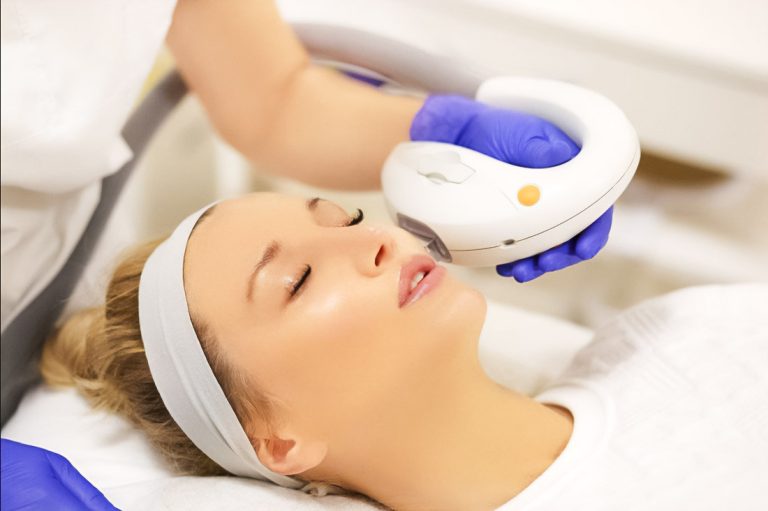
In everyday speech, the words “cleaning”, “sanitation” and “disinfection” often sound like equivalent words. In practice, these are different processes. They solve different problems. And they work at different levels of hygienic protection. Misunderstanding these differences creates a false sense of security. The surface may look clean. However, it still remains a source of pathogens.
Surface Cleaning: Visible But Not Final Result
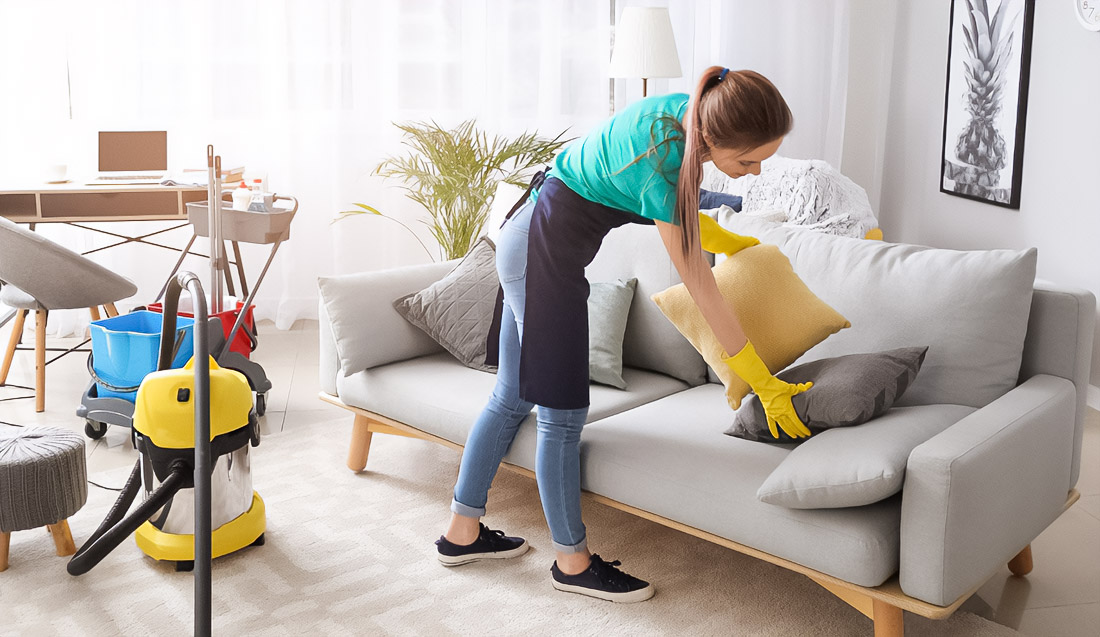
Cleaning is the basic stage of hygienic treatment. It is aimed at removing visible impurities. Dust, dirt, grease, and organic residues are removed from the surface using water, detergents, and mechanical action.
Some of the microorganisms are removed. But they are not destroyed. Bacteria and viruses do not die but are only washed away or transferred.
Nevertheless, cleaning remains critically important. The impurities form a protective layer. This layer reduces the effectiveness of chemical agents and prevents the full effect of disinfectants.
Without pre-cleaning, the subsequent steps lose their meaning.
Sanitation: Control, Not Destruction
Sanitation works more subtly. It reduces the number of bacteria to levels that are considered safe by public health standards. Complete destruction of microorganisms does not occur.
Without proper pre-cleaning, even professional disinfecting and sanitizing services lose a significant part of their effectiveness.
Viruses Can Persist. Some Pathogens Remain Active.
That is why sanitary treatment is more often used in the household environment. It is suitable for regular maintenance of contact surfaces. Especially where the use of aggressive chemicals is undesirable. This approach is typical for home sanitization services, where safety and regularity matter just as much as effectiveness.
According to the established requirements, such methods should reduce the microbial load by at least 99.9%. This is essential. But this is not enough in conditions of increased risk of infection.
Disinfection: Breaking the Chain of Infection
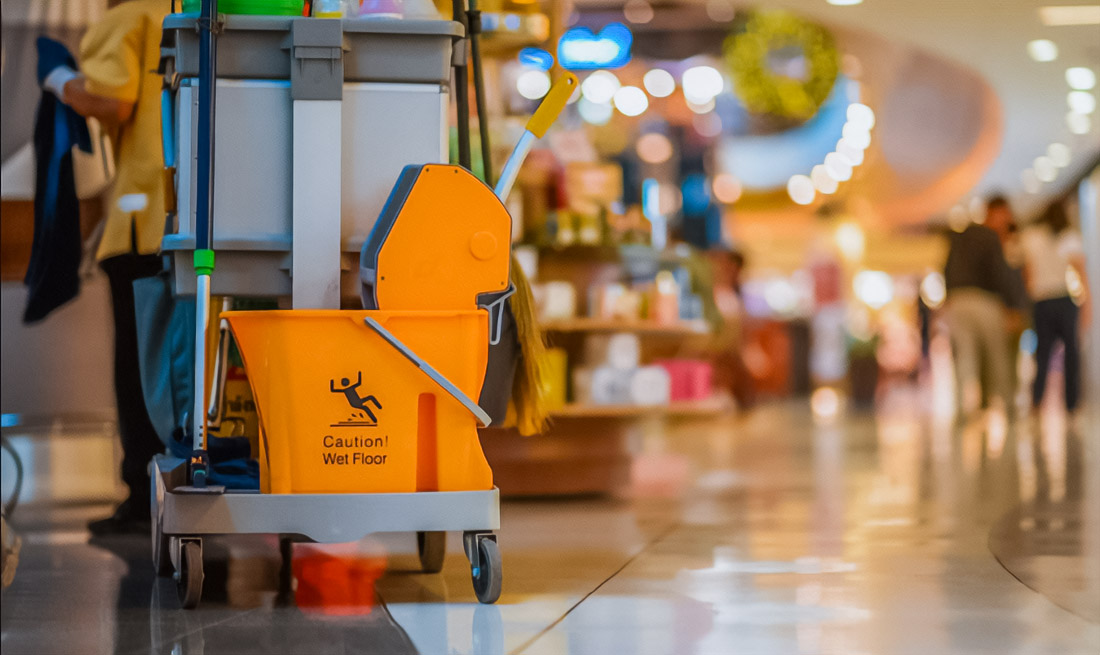
Disinfection works differently. Its purpose is the destruction or irreversible inactivation of bacteria, viruses and other pathogens. We are not talking about reducing the number, but about stopping their activity.
The effectiveness of disinfection depends on several factors at once. The concentration of the solution is important. The contact time with the surface is critical. The correct choice of the processing method also plays an essential role.
If these conditions are met, disinfection can destroy up to 99.99% of microorganisms. That is why it is considered the main protection tool in the medical environment and public spaces.
Where there are many contacts, compromises are unacceptable.
Sterilization: The Limit of Hygienic Treatment
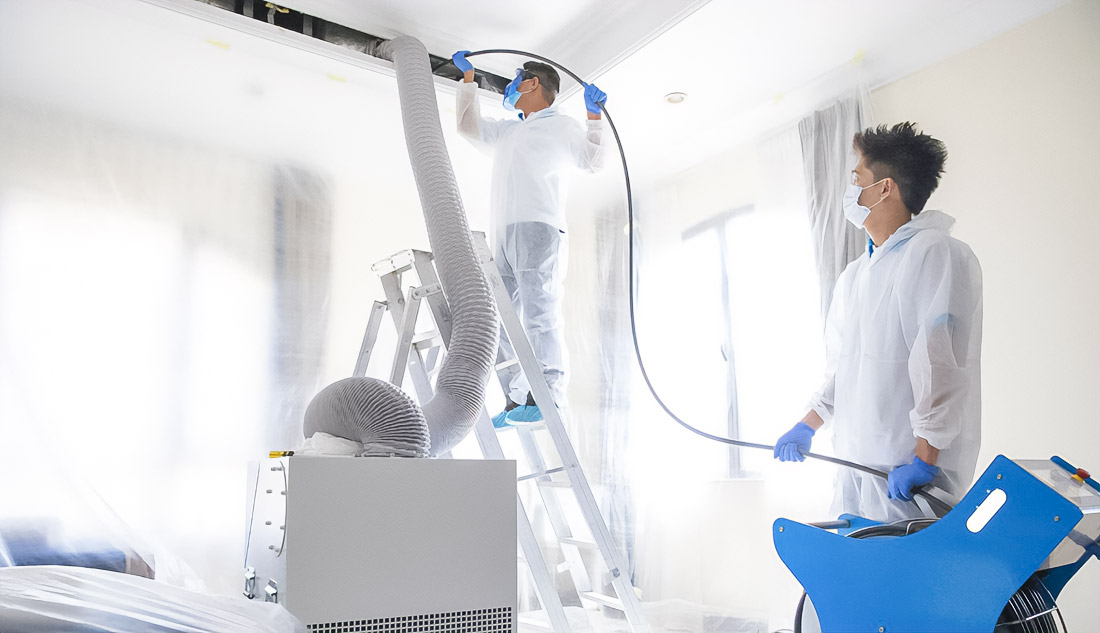
Sterilisation stands alone. This is the deepest level of processing. It destroys all forms of microbial life, including spores and resistant microorganisms. This process requires strict control of the environment parameters. Specialised equipment is used. Mistakes are unacceptable here. Sterilisation is not used in domestic conditions. Without professional training, it can be dangerous.
Why is the Sequence of Actions Important?
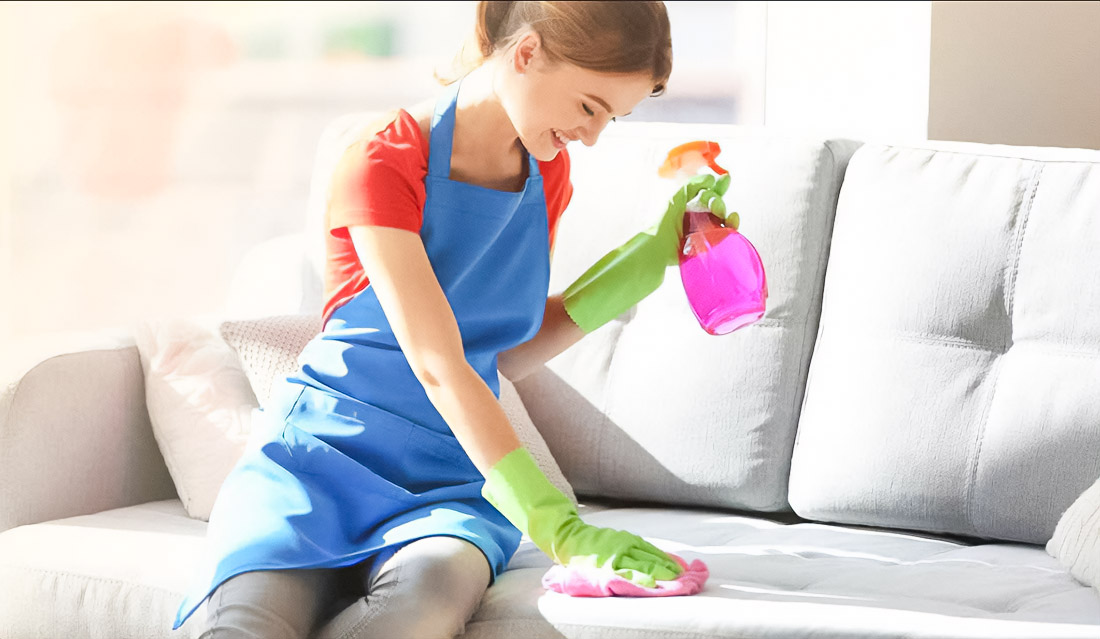
Trying to replace everything in one step is a common mistake. She doesn’t work. An effective hygiene system is always built consistently.
First, the impurities are removed. Then the microbial load is reduced or pathogens are destroyed. This is the only way to achieve a real reduction in the risk of infection spread.
Special attention should be paid to high-frequency surfaces. Door handles, switches, work areas, and plumbing elements most often become reservoirs of pathogens.
They are the ones that require priority processing.
Security as Part of the Process
Chemicals are not neutral. When working with them, protective measures are necessary. Gloves, safety glasses, and indoor ventilation reduce the risk of adverse effects.
It is equally important to prevent cross-contamination. Used materials require proper disposal. The transfer of microorganisms between the treatment areas is unacceptable.
Hygiene is a System. Not a One-Time Action.
Cleaning removes impurities. Sanitation reduces the number of bacteria to a safe level. Disinfection destroys pathogens and breaks the chains of infection. These are not synonyms. These are the levels. And each of them performs a strictly defined function.
Understanding these differences allows you to build a conscious hygiene strategy. Especially in conditions of increased epidemiological burden. Especially where the cost of error is too high.

Skier, shiba-inu lover, band member, Mad Men fan and independent Art Director. Operating at the fulcrum of design and mathematics to craft experiences that go beyond design. I prefer clear logic to decoration.